What Is Piedmont Clay and Why Does It Matter in Trenton?
If you live in Trenton, your home likely sits on a layer of Piedmont clay. This soil type is common throughout the Piedmont region, which stretches from New Jersey down to Alabama. Unlike sandy or rocky soils, Piedmont clay is dense and holds water tightly. When it gets wet, it expands. When it dries out, it shrinks. That constant cycle of swelling and shrinking puts enormous pressure on your foundation walls.
This is why Foundation Waterproofing in Trenton requires a different approach than in areas with looser soil. Piedmont clay is known for its high plasticity, meaning it changes volume dramatically with moisture. During a wet spring, the clay around your foundation can swell enough to push against basement walls. In a dry summer, it shrinks away, leaving gaps that let water pour in during the next rain. Understanding this cycle is the first step to protecting your home.
How Piedmont Clay Causes Trenton Foundation Cracks
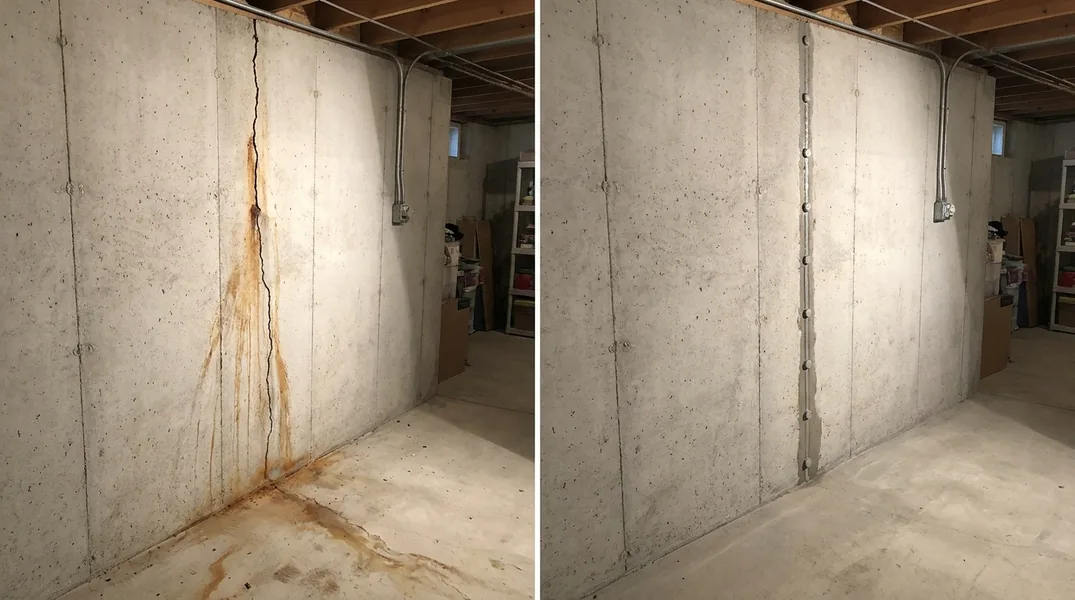
When Piedmont clay swells, it exerts what engineers call lateral pressure. This pressure pushes inward on your foundation walls. Most residential foundations are designed to handle some soil pressure, but clay can exceed those limits over time. You may start seeing horizontal cracks along the middle of your basement walls, which are a serious sign of structural stress. Vertical cracks are also common, especially at corners where the foundation meets different soil conditions. These Hamilton Township foundation cracks often appear after a particularly wet season or a long drought.
Soil movement is another major factor. As the clay expands and contracts, it can shift the position of your entire foundation. This movement creates cracks not just in the walls but also in the floor slab. You might notice doors and windows that suddenly stick, or gaps appearing where the wall meets the ceiling. These are all symptoms of a foundation that is reacting to Piedmont clay. Ignoring these signs can lead to costly structural repairs down the road.
Why New Jersey Clay Soil Basement Leaks Are So Common
New Jersey clay soil basement leaks are among the most frequent problems we see in the Trenton area. The reason is simple: clay does not drain well. When it rains, water pools on top of the clay instead of soaking through. That water then finds its way to the path of least resistance, which is often the gap between your foundation wall and the surrounding soil. Once water reaches that gap, it can seep through even the smallest crack. Over time, this leads to dampness, mold growth, and actual standing water in your basement.
Another issue is hydrostatic pressure. As water accumulates in the clay around your foundation, it builds pressure against the walls. This pressure forces water through cracks and pores in the concrete. In some cases, it can even cause the basement floor to heave upward. If you have noticed water seeping in after heavy rain, or a musty smell that never goes away, you are likely dealing with a clay-related leak. A professional assessment can confirm the cause and recommend the right fix.
Basement Waterproofing Near Me: Solutions for Piedmont Clay
When homeowners search for Basement Waterproofing near me, they often need a solution tailored to clay soil. One of the most effective options is an Interior Drain Tile System. This system captures water that enters through the floor or wall joints and directs it to a sump pump. Because it is installed inside, it is not affected by the expanding and contracting clay outside. It also comes with a lifetime warranty when installed by a reputable company.
For homes where the problem is primarily outside, Exterior Basement Waterproofing may be the better choice. This involves excavating around the foundation, applying a waterproof membrane, and installing drainage that redirects water away from the house. It addresses the root cause by keeping water out before it ever reaches the foundation. In some cases, a combination of interior and exterior solutions provides the best protection. The right approach depends on your specific soil conditions, the age of your home, and the severity of the leaks.
Basement Waterproofing Cost in Trenton: What to Budget
Homeowners often ask about pricing for basement waterproofing in Trenton. The cost varies based on several factors, including the size of your basement, the extent of the damage, and the method chosen. Interior drain tile systems are generally more affordable than exterior excavation because they require less labor and do not involve digging up your yard. However, exterior solutions may be necessary if the foundation itself is compromised. A free free estimate is the best way to get an accurate number for your home.
It is also important to consider the long-term savings. A wet basement can lead to mold remediation, structural repairs, and lost property value. Addressing the problem early with a proven waterproofing system can save you thousands in future repairs. We recommend getting a professional inspection before the next rainy season. Our team at Trenton Waterproofing can assess your foundation and provide a clear, no-obligation quote. Call (609) 422-5457 to schedule your inspection today.
Protecting Your Home from Soil Movement and Leaks
Beyond installing a waterproofing system, there are steps you can take to reduce the impact of Piedmont clay. Proper grading is essential: make sure the ground slopes away from your foundation so water does not pool near the walls. Keep gutters and downspouts clean and extend them several feet away from the house. Avoid planting large trees or shrubs too close to the foundation, as their roots can exacerbate soil movement and create pathways for water. These simple measures can make a real difference, especially in areas like Hightstown and Hopewell where clay soils are prevalent.
Regular inspections are also key. Check your basement walls for new cracks, efflorescence (white powder), or signs of moisture. If you see any of these, do not wait. Soil movement is a slow process, but the damage it causes can accelerate quickly. A professional waterproofing contractor can identify issues before they become major problems. At Trenton Waterproofing, we specialize in helping homeowners understand their soil and protect their investment. Contact us today to learn more about our services and how we can keep your basement dry.
Looking for a professional basement waterproofing contractor in Trenton? Trenton Waterproofing responds fast for all your basement waterproofing needs.
Get a Free QuoteOur services: Basement Waterproofing · Interior Drain Tile System · Exterior Basement Waterproofing