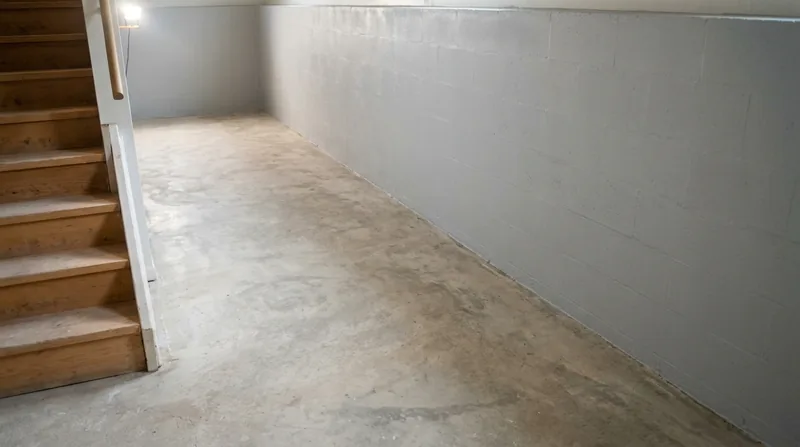




Free Basement Inspection in Trenton: Start With Facts, Not Guesswork
You need a Free Basement Inspection in Trenton before anyone quotes you a repair. Trenton sits on Piedmont clay and silt over weathered shale and diabase, and that ground holds water against your foundation long after the rain stops. The city's housing stock makes it worse: 1880s to 1920s brick rowhouses in Chambersburg, Mill Hill and Downtown often have stone or brick cellars and old clay footing drains that have been silting up for a century. The 1920s to 1940s bungalows and colonials around Cadwalader Park, Hiltonia and Wilbur have partly finished basements where a hairline crack shows up as a stain on drywall. We walk the basement, the foundation and the drainage, take photos, and tell you what needs fixing now, what can wait, and when nothing is wrong at all. If you want the full picture of how we approach wet basements, start with our basement waterproofing service.
Why a Free Basement Inspection Matters in Trenton's Old Cellars and New Full Basements
Trenton gets two very different wet-basement problems, and both need eyes on the wall before anyone sells you a fix. In the rowhouses and older frame homes, the failure mode is hydrostatic pressure pushing through brick, stone and early block walls, plus failed clay footing drains that no longer carry water away from the footer. In the 1950s to 1970s split-levels and ranches in Villa Park and Glen Afton, and in the 1990s to 2020s subdivisions in Hamilton, Hopewell and Robbinsville, poured full basements show hairline wall cracks that open with every freeze-thaw cycle and seep after summer downpours. Low streets near the Delaware River and Assunpink Creek flood during big storms, and the water table stays high through spring.
- We check the walls for efflorescence, which tells us water is moving through the masonry and evaporating on the surface.
- We look at the floor-wall joint, where most interior seepage starts.
- We inspect the sump basin, pump, check valve and discharge line for capacity and freeze risk.
- We test the grading and downspout extensions to see whether roof water is being dumped next to the foundation.
- We photograph every crack and moisture stain so you have a record, not a verbal opinion.
That inspection is the difference between sealing a crack that only needs epoxy injection and excavating for a drain tile system that was never the problem.
Key info: A homeowner in Mill Hill called us about water on the cellar floor after every storm. The walls were dry. The real issue was a collapsed clay footing drain and a downspout that discharged two feet from the foundation. No wall excavation was needed, just a drain correction and a discharge extension. The inspection found that in under an hour.
Permits for structural foundation repair, egress window cutting and any work that alters drainage or the sanitary connection of a sump discharge vary by jurisdiction, so confirm the rules with the City of Trenton building department before work starts.
How Our Free Basement Inspection Works in Trenton, Step by Step
We start outside and work in, because most basement water begins above grade. We walk the perimeter, check grading slope, downspout extensions, window wells and any sign of settlement or a bowing wall. Then we move to the basement and test the building from the inside. You get a written explanation and photos the same day.
- We review your history: when water appears, how much, and what has already been tried.
- We inspect the exterior foundation, grading, gutters and downspouts for water being routed toward the house.
- We check basement walls, floor, cracks, efflorescence and the floor-wall joint for active seepage.
- We test the sump pump, check valve and discharge line, and note whether a battery backup is in place.
- We photograph findings and explain what needs fixing now, what can wait, and what is normal for the age of the house.
You leave with a clear priority list, not a sales script.
Key info: In a 1950s ranch in Villa Park, the sump pump ran fine but the check valve was stuck open, so every cycle pushed water back into the basin. The pump was not the problem. The inspection caught it before the homeowner replaced a working pump. If you already know your sump system is suspect, see our sump pump installation and replacement page.
What We Compare During the Inspection
Not every wet basement needs the same fix, and the inspection is where we sort that out. Here is how the main approaches compare when we are standing in your basement.
| Approach | Description | Best for |
|---|---|---|
| Crack injection | Epoxy or polyurethane injected through ports to seal a defined crack. | Hairline or settling cracks with no broad hydrostatic pressure. |
| Interior perimeter drain | Interior drain tile cut at the floor-wall joint, feeding a sump basin. | Water rising at the cove joint and wet floors after storms. |
| Exterior waterproofing | Membrane and dimple board applied to the outside wall, with footing drain. | Failed exterior coating or a drain tile that has collapsed. |
| Wall sealing and vapor barrier | Surface sealing and vapor control to stop moisture migration. | Damp walls and musty basement smell without active seepage. |
The inspection tells us which row applies to your house, and we say so plainly.
Free Basement Inspection Cost in Trenton: What to Expect
The inspection itself costs nothing, and that is the starting point for every quote we give. What moves the number later is what we find: a single crack that needs injection is a very different job from a full interior drain tile system around a 1920s rowhouse cellar, and exterior excavation on a Hightstown property with mature plantings adds access and restoration work. Getting two or three estimates is smart, and so is asking each contractor to explain what they found and why their fix fits it. Our full pricing overview breaks down typical ranges so you can compare apples to apples.
Key info: A homeowner in Robbinsville had two quotes for a full interior drain system. Our inspection found one active crack and a downspout dumping into a window well. Crack injection and a window well correction solved it for a fraction of either quote. Not every wet basement is a drain tile job.
What to Look for When Hiring a Waterproofing Contractor Near Trenton
Ask for proof of licensure and insurance before anyone walks your basement, and get the certificate, not just a verbal yes. Get at least two or three written estimates that separate materials, labor and any permit costs. Ask for local references from Trenton or Hamilton Township homes of similar age, and call them. Confirm who pulls the permit if the work touches structural repair, egress cutting or drainage connections, and check with the local building department on what your street requires. If you are in an HOA, confirm exterior changes and discharge routing before work begins.
When you are ready, contact us to schedule your free inspection.
Free Basement Inspection in Trenton: Pricing Guide
| Service | Price | Details |
|---|---|---|
| Free basement inspection | Free | Full wall, floor, crack, sump and grading check with photos and a written priority list. |
| Crack injection (epoxy or polyurethane) | Starting at $450 | Per crack; price moves with crack length, wall thickness and access behind finished walls. |
| Interior drain tile system | Starting at $3,500 | Perimeter drain, sump basin and discharge; linear footage and basement layout drive the number. |
| Exterior waterproofing with membrane and footing drain | On estimate | Excavation depth, plantings, hardscape removal and restoration scope require an on-site look. |
| Travel | Included | In Trenton and surrounding areas, no separate call-out or mileage fee. |
| Estimate | Free | Response within 24h at (609) 422-5457, no obligation to book. |
Indicative pricing, the exact cost depends on square footage, finish, and site access. Free personalized estimate within 24h at (609) 422-5457.


